

This is Part 1 of a 10-part series exploring questions in Scripture and what they reveal about building resilient relationships with God and others.
Questions in the Bible outnumber declarations. Asking questions and listening well can take every relationship deeper!
In this 10-part series, we’re diving deep into questions in the Bible. Because as we look to Scripture, we look to the very best Source. We’ll explore how the questions woven throughout God’s Word can transform the way we live, relate, and grow.
As we begin, consider something unexpected about your Bible: not the words themselves, but the punctuation.
Questions in the Bible: A Surprising Count
The NIV Bible contains 3,251 question marks. That figure is over 1,400 more than exclamation points. The King James Version includes 3,297 questions compared to 308 exclamation points, and these figures don’t account for inquisitive statements that don’t end with question marks.
The writers of Scripture—and the Holy Spirit—were more inclined to inquire than to exclaim.
This reveals something important: the Word of God is not a shouting match. It’s not merely a list of commands or an archive of declarations. It’s a divine conversation, a holy pursuit, and a gentle curiosity drawing us in and inviting us to respond.
The Word of God is not a shouting match.
Questions don’t shout; they invite. The questions of Scripture invite us to step forward, open up, and reflect. They create space for learning, loving, and understanding.
What Jesus Teaches Us About Questions in the Bible
In a world quick to declare opinions, form judgments, and rush past nuance, questions force us to slow down, get curious, and listen well. This is exactly what Jesus modeled. He often responded to questions with questions. According to Dr. Jeff Myers, author of Unquestioned Answers, Jesus asked 288 questions in the Gospels. God designed us to be curious!
Here’s something else we will see in our study of questions in the Bible in the series to come: Asking a question, with an inquisitive heart and open mind, offers the dignity of discovery.
A Lesson from the Talking Seats

Growing up, my family traveled everywhere in a big red Dodge Ram van—a twelve-passenger vehicle we called the Giant Red Tomato. With rows of benches packed with kids, backpacks, books, and snacks, I claimed a favorite spot in the back row, left side, where I could disappear into a book or watch the world blur past the window.
I loved that spot because it kept me safe, particularly safe from questions.
The bench directly behind the driver’s seat earned the nickname “the Talking Seats.” Sitting there meant joining the adult conversation, hearing the day’s news and family decisions, and facing questions:
- “Tell me about your day.”
- “What do you think about this?”
- “How did that make you feel?”
When Questions Feel Uncomfortable
As a shy, insecure child, I found questions uncomfortable. And deep down, I wondered: if I gave the “wrong” answer—if my answer wasn’t what they hoped for, or wasn’t impressive enough—would that mean they didn’t like me?
Looking back, I wish I could tell my younger self that it’s okay for questions to feel hard. It’s okay to wrestle with answers and to have different answers at different times. That’s part of growing and learning. Questions are one of the very best ways to grow closer to the people who love you.
Being asked a question means someone wants to know you, and being known is one of the most secure, grounding experiences in the world.
The Persistence of Connection
My wise dad refused to let any of his children fade into the background. He was tenacious about connection, and even when I thought I was safely tucked away in the back seat, he would call me forward to one of the Talking Seats.
He used even short car rides as connection time, asking about our lives, thoughts, and dreams. He wasn’t satisfied with surface-level answers; he wanted us to feel known and heard.
Initially, this made me squirm. Over time, however, I discovered a strategy: if I asked questions first, someone else would do the talking. I could redirect the spotlight. To my shy self, this felt like a lifeline.
Questions: From Defense Mechanism to Gift
I began thinking of questions ahead of time, saving them up like conversation currency. When my parents pulled me into the Talking Seats, I would ask:
- “How was your trip?” (My father was a commercial pilot.)
- “What did you most like about that city?”
- “What was your favorite trip as a kid?”
What started as a defense mechanism became a gift. There’s a much longer list, but here are a few things asking curious questions gave my young heart:
- Asking questions gave me confidence and helped me see other people more clearly.
- I noticed how people lit up when someone genuinely wanted to know them.
- Questions could take conversations deeper, move past small talk, and open doors of trust and honesty.
Questions don’t just pull information out of you. They help you become yourself.
Meanwhile, my father kept asking me questions—patiently, kindly, consistently. Slowly, my own answers solidified. I found myself able to articulate what I believed, what I wondered about, and even what I didn’t know I didn’t know. I practiced putting my thoughts into words in the safety of that van.
Questions Shape Identity
The process wasn’t overnight or painless. (I didn’t feel fully secure in my voice until adulthood.) But the seeds of curiosity, confidence, and connection were planted in those Talking Seats.
When we turn to the Bible to discover what we can learn, questions in the Bible don’t merely provide information about God. They invite us into a relationship with Him, create space for us to become who He’s made us to be, and model how to love and mentor others well.
Questions matter because they’re not simply a powerful conversational tool. Questions are a pathway to deeper faith, stronger relationships, and a life fully engaged with God and others.
That old red van taught me a lesson I carry today: conversations framed by questions can change your life.
Questions don’t simply extract information. They help us become ourselves. They shape who we are and anchor us in relationships of trust.
Reflection Questions
Reflect on These Questions in the Bible
This post is adapted from #71 of the podcast, Presently Engaged with Mandy Pallock. Watch the full episode here if you prefer video.
Want To Go Deeper?
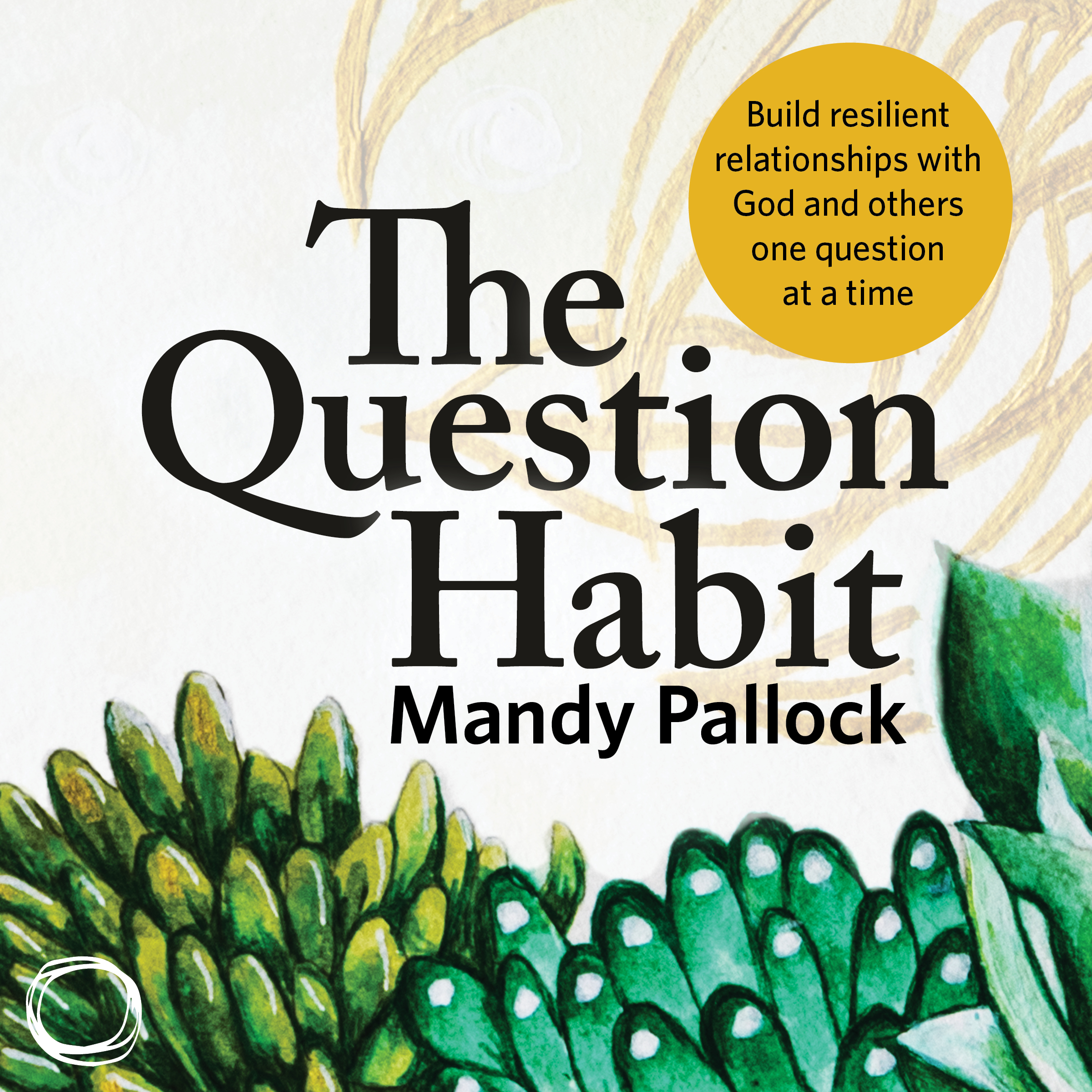
This series is based on insights from The Question Habit: The Art of Building Resilient Relationships with God and Others by Mandy Pallock.
Asking questions and listening well can take every relationship deeper!




Leave A Comment